
If you take cards, someone has probably offered to "make the fees disappear". Usually that means one of three things: a cash discount, a surcharge, or dual pricing. They sound alike, but they are treated differently by card networks and, in some states, by law. Here is the plain version for a Texas store.
The three terms
- Cash discount. Your posted price is the card price. Customers who pay cash get a lower price.
- Dual pricing. The cash discount shown openly: your shelf tags and your register show two prices, a cash price and a card price. In practice, most "cash discount programs" work as dual pricing.
- Surcharge. Your posted price is the cash price, and a fee is added on top when a customer pays by credit card.
The money can come out the same. What matters is how the price is presented, and that is where the rules apply.
What Texas says
Texas has a statute on this, Texas Finance Code § 339.001. It allows a merchant to offer a discount for paying with cash, but historically barred a surcharge on credit card purchases. That surcharge ban was challenged in court, and in Rowell v. Paxton (2018) a federal court blocked Texas from enforcing parts of it.
Two practical takeaways for a store owner:
- A properly run cash discount is the safer, well-established path. Offering a lower price for cash has long been allowed.
- Don't rely on a blog post for a legal question. The status of the surcharge rules has moved over the years. If you plan to surcharge rather than discount, check the current rules with your processor or an advisor first.
This article is general information, not legal advice.
What the card networks expect
Even where state law allows it, Visa, Mastercard and the other networks have their own rules. For a cash discount or dual pricing program, that generally means:
- Both prices are visible before the customer pays, on the shelf and at the register.
- Signs at the entrance and the counter explain that a discount applies to cash.
- The card price never goes above the posted card price. If the total jumps at checkout, the networks treat it as a surcharge, whatever you call it.
How NRS PAY's cash discount plan works
NRS PAY sets its program up as a cash discount with dual pricing:
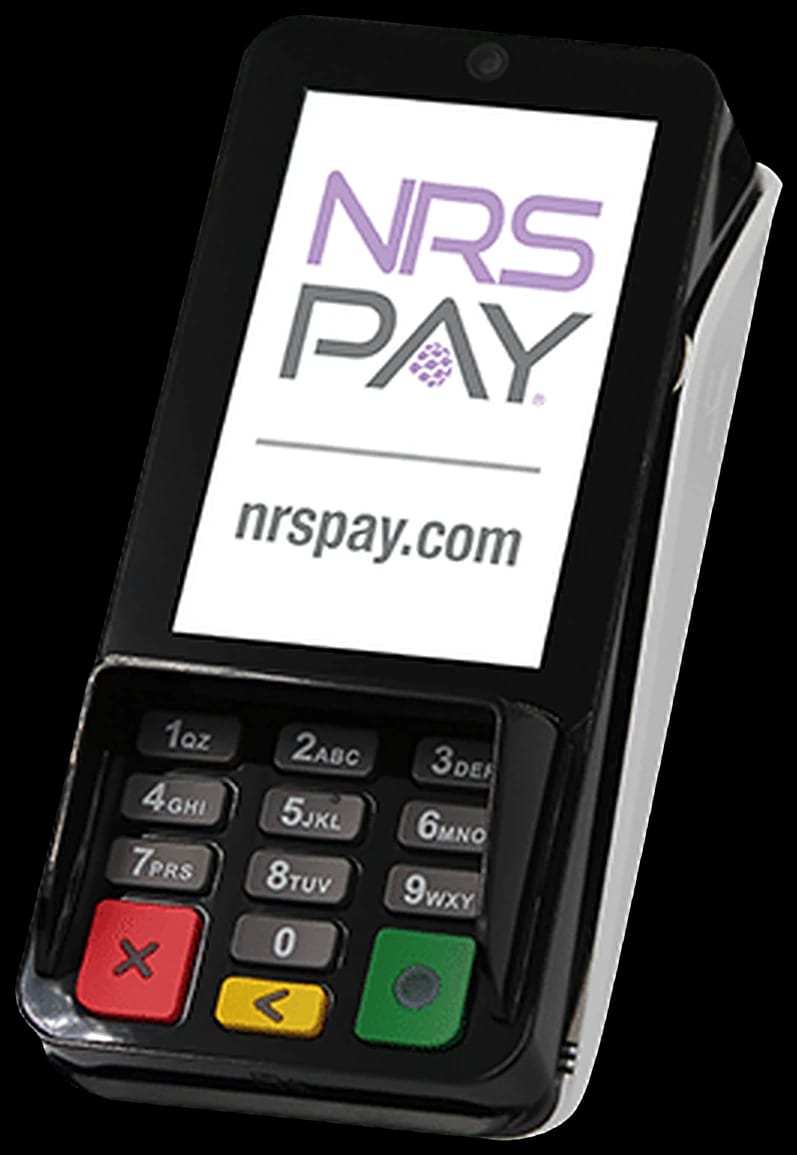
- Your NRS POS shows both prices at the register, and you print matching shelf labels from the My NRS Store app.
- The plan costs $49.95 a month, and that fee drops to $0 when you process more than $18,000 a month in card sales (NRS list prices, October 2026).
- No minimums on debit cards. If you set a minimum for credit cards, it can't be more than $10 and must apply to every card brand.
If a cash discount isn't right for your customers, NRS PAY's other plan, Clean Rate, is a simple 2.49% + 10¢ per card-present sale plus $10 a month. We compare the two in Cash discount or Clean Rate?.
Is a cash discount right for your store?
It tends to fit when:
- Card sales are high. Above $18K a month the plan fee is waived, so the savings are largest.
- Your regulars won't mind two prices. Busy convenience stores and gas stations often run dual pricing already.
- You're willing to keep tags accurate. Labels must match the register, every time a price changes.
It fits less well when most customers pay by card and are sensitive to the card price being shown as higher.
Get your numbers checked
Dipendra can put your last statement next to both NRS PAY plans and show you, in writing, what each would have cost. See NRS PAY rates, or ask for a statement review.